
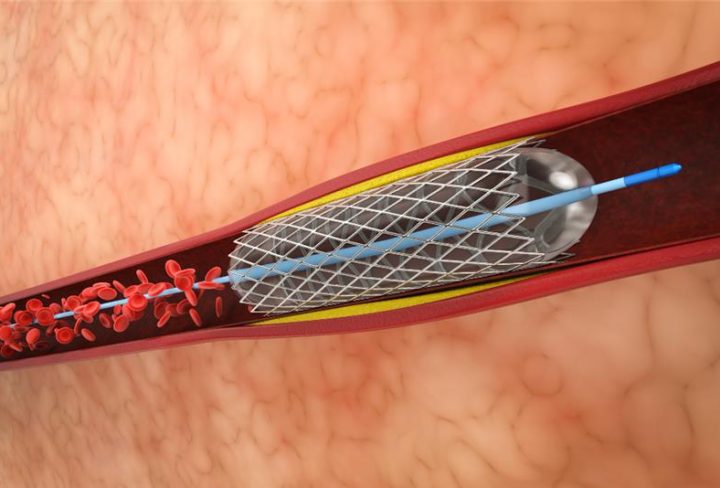
What is Percutaneous Coronary Intervention (PCI)?
Percutaneous coronary intervention, often called PCI or angioplasty, is a medical procedure. Doctors use it to open blocked or narrowed blood vessels in the heart. These vessels are called coronary arteries. When they get blocked, blood cannot flow well to the heart muscle. As a result, people may feel chest pain or even have a heart attack. PCI helps restore blood flow by using a small balloon or placing a tiny tube called a stent. This treatment is common in cardiac care today.
When is PCI Recommended?
Doctors may suggest PCI for several reasons. Usually, it is recommended when:
However, not everyone with heart problems needs PCI. Sometimes, other treatments work better. Therefore, your doctor will decide what is best for you.
How is PCI Performed? (Step-by-Step Overview)
PCI is a step-by-step procedure. Here is what usually happens:
Most people stay awake during PCI, but they do not feel pain. The whole PCI procedure usually takes about one to two hours.
Benefits of PCI
Percutaneous coronary intervention offers many benefits. For example, it can:
Because PCI is less invasive than surgery, recovery is often faster. Still, it is important to follow your doctor’s advice after the procedure.
Risks and Potential Complications
Like any medical procedure, PCI has some risks. Although most people do well, possible complications include:
However, doctors take steps to lower these risks. They use medicines and careful techniques to keep you safe. If you notice pain, swelling, or other problems after PCI, contact your doctor right away.
Recovery and Aftercare
After PCI, most people stay in the hospital for a few hours or overnight. During this time, nurses check your heart and blood pressure. Once home, you should:
Because recovery is usually quick, many people return to normal life within a week. Still, always follow your doctor’s instructions for the best results.
Prevention and Lifestyle Tips for Heart Health
Even after PCI, it is important to care for your heart. You can lower your risk of future heart problems by:
Because heart health is a lifelong journey, small changes can make a big difference over time.
Conclusion
Percutaneous coronary intervention is a safe and effective way to treat blocked heart arteries. It can relieve symptoms and help prevent heart damage. However, every person is different. Therefore, consult a cardiologist for personalized advice about PCI and heart health.