
Introduction
Many people do not realize how closely sleep and heart health are linked. Good sleep is not just about feeling rested. In fact, it plays a big role in keeping your heart healthy. Research shows that poor sleep can raise your risk of heart disease. Because of this, understanding the hidden connection between sleep and heart health is important for everyone.
Why Sleep Matters for Heart Health
Sleep gives your body time to rest and repair. During deep sleep, your heart rate slows down. This helps your heart recover from the day’s work. Also, sleep helps control blood pressure and stress hormones. When you get enough sleep, your heart works better. For example, the American Heart Association says adults should aim for 7 to 9 hours of sleep each night.
How Poor Sleep Affects the Heart
Not getting enough sleep can harm your heart in many ways. First, it can raise your blood pressure. High blood pressure is a major risk for heart disease. Second, poor sleep can increase stress hormones. These hormones can make your heart work harder. Third, lack of sleep can lead to weight gain, which also raises heart risk. Over time, these effects can add up and damage your heart.
Common Sleep Disorders Linked to Heart Disease
Some sleep problems are closely tied to heart disease. For instance, sleep apnea is a condition where breathing stops and starts during sleep. This can lower oxygen levels and strain the heart. Other common sleep disorders linked to heart problems include:
Each of these can raise your risk of high blood pressure, stroke, or heart attack.
Signs and Symptoms to Watch For
It is important to notice signs that your sleep may be harming your heart. Some warning signs include:
If you notice these symptoms, you should talk to your doctor. Early action can help protect your heart.
Diagnosis: How Doctors Assess Sleep and Heart Health
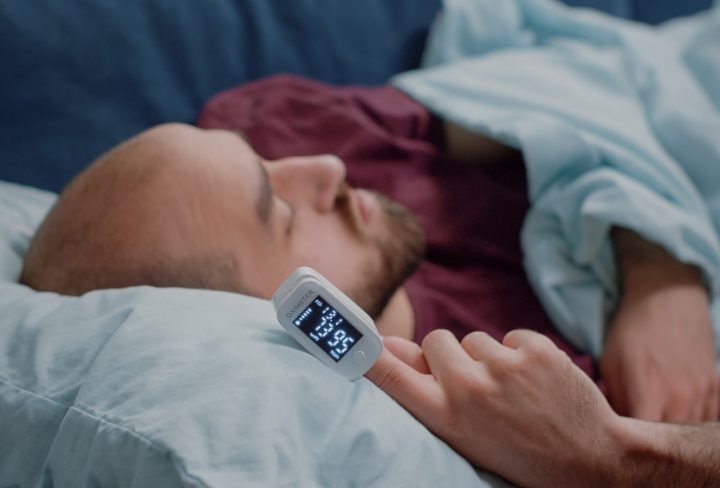
Doctors use several tools to check sleep and heart health. First, they may ask about your sleep habits and symptoms. Next, they might suggest a sleep study. This test records your breathing, heart rate, and oxygen levels while you sleep. Sometimes, doctors use heart tests like an ECG or blood pressure checks. These tests help find problems early, so you can get the right treatment.
Treatment and Lifestyle Tips for Better Sleep and Heart Health
Improving sleep can boost your heart health. Here are some helpful tips:
For some people, doctors may suggest treatments like a CPAP machine for sleep apnea. Medicines or therapy can also help with sleep problems. Always follow your doctor’s advice for the best results.
Prevention: Steps to Protect Your Heart Through Healthy Sleep
Taking steps to improve sleep can lower your risk of heart disease. For example, you can:
By making sleep a priority, you help protect your heart for years to come.
Conclusion
In summary, sleep and heart health are deeply connected. Poor sleep can raise your risk of heart disease. But, healthy sleep habits can help keep your heart strong. If you have concerns about your sleep or heart, consult a healthcare specialist for personalized advice on sleep and heart health.