
Introduction
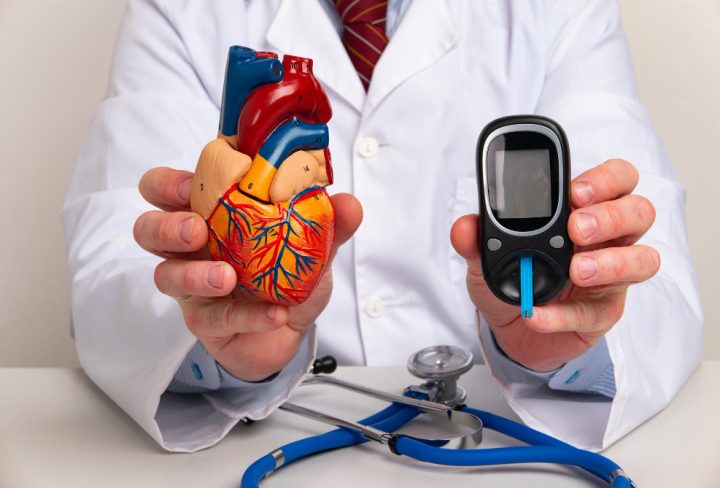
Heart health in diabetes is a major concern for many people. If you have diabetes, your risk for heart problems is higher. In fact, diabetes can damage blood vessels and nerves that control your heart. Because of this, it is important to know what to watch for and how to protect your heart. This blog will explain the link between diabetes and heart health, key symptoms, and ways to stay healthy.
Why Diabetes Increases Heart Risks
Diabetes affects how your body uses sugar. Over time, high blood sugar can harm your blood vessels. As a result, your heart has to work harder. In addition, diabetes often comes with high blood pressure and high cholesterol. These problems make heart disease more likely. According to the CDC, adults with diabetes are twice as likely to have heart disease or a stroke. Therefore, keeping your blood sugar in check is very important for your heart.
Key Symptoms to Watch For
Sometimes, heart problems can be silent in people with diabetes. However, there are warning signs you should not ignore. Early detection can save lives. Watch for these symptoms:
If you notice any of these, seek medical help right away. Sometimes, symptoms may be mild or different from what you expect. For example, women and older adults may feel more tired than usual instead of chest pain.
Common Heart Conditions in Diabetes
People with diabetes face a higher risk of several heart conditions. Some of the most common include:
Because these problems are serious, regular check-ups are important for cardiac care in diabetes patients.
Diagnosis and Monitoring
Early diagnosis helps prevent serious heart problems in diabetics. Your doctor may use several tests to check your heart health. These can include:
In addition, regular visits help your doctor spot changes early. This way, you can get the right treatment quickly.
Prevention and Lifestyle Tips
Although diabetes raises your risk, you can take steps to protect your heart. Here are some tips for preventing heart problems in diabetics:
For people living in cities with high air pollution, try to exercise indoors. This can help reduce extra strain on your heart.
When to See a Doctor
It is important to see your doctor regularly if you have diabetes. However, you should seek help right away if you notice:
Early treatment can prevent serious problems. Even if your symptoms seem mild, it is better to be safe and get checked.
Conclusion and Call-to-Action
In summary, heart health in diabetes patients needs special attention. Because diabetes increases heart risks, it is important to watch for symptoms and follow healthy habits. Regular check-ups and early action can make a big difference. For the best care, consult a cardiologist or diabetes specialist for personalized advice on heart health.