
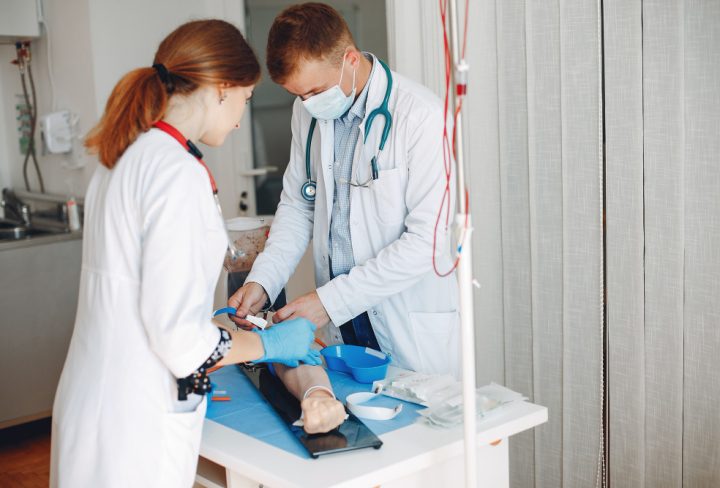
What is Vascular Trauma?
Vascular trauma means an injury to a blood vessel, such as an artery or vein. Because blood vessels carry blood to and from every part of the body, damage can be very serious. In fact, vascular trauma can threaten both limbs and lives. Quick, expert care is vital to prevent lasting harm or even death. According to the World Health Organization (WHO), injuries like these need fast treatment to avoid severe complications.
Common Causes of Vascular Trauma
Many things can cause vascular trauma. Often, these injuries happen suddenly. For example, car accidents or falls may damage blood vessels. Sometimes, sharp objects like knives or glass can cut through skin and reach a vessel. In other cases, broken bones may press on or tear a vessel. Additionally, gunshot wounds and industrial accidents are common causes. Even sports injuries can sometimes lead to vascular trauma.
Signs and Symptoms to Watch For
Recognizing vascular trauma early can save lives. Therefore, it is important to know the warning signs. If you notice any of these symptoms after an injury, seek emergency care right away:
Sometimes, bleeding may be hidden inside the body. In such cases, look for signs like dizziness, weakness, or fainting. These may signal serious blood loss.
How Vascular Trauma is Diagnosed
Doctors use several steps to diagnose vascular trauma. First, they check your symptoms and medical history. Next, they examine the injured area for signs of blood vessel damage. Often, they use special tests to see inside the body. For example, ultrasound scans can show blood flow in vessels. In some cases, doctors use CT angiography, which gives detailed images of blood vessels. These tests help experts decide the best treatment quickly.
Treatment Options: Saving Limbs and Lives
Timely treatment is key to saving limbs and lives after vascular trauma. Depending on the injury, doctors may use different methods. For minor injuries, pressure and bandages may stop bleeding. However, severe cases often need surgery or advanced procedures. Here are some common treatments:
With expert vascular care, many people recover well. In fact, early treatment can often save both the limb and the person’s life.
Prevention Tips and Lifestyle Guidance
While not all vascular trauma can be avoided, you can lower your risk. For instance, always wear seat belts in vehicles. Use safety gear when playing sports or working with tools. At home, keep sharp objects out of reach of children. In addition, follow workplace safety rules. If you have a health condition that affects blood vessels, manage it with your doctor’s help. Staying alert and prepared can make a big difference.
The Importance of Timely, Expert Care
Getting expert care quickly is the best way to save limbs and lives after vascular trauma. Emergency vascular care teams have special training to handle these injuries. They use advanced tools and proven methods to stop bleeding and repair vessels. According to the Centers for Disease Control and Prevention (CDC), fast action can prevent long-term problems and even death. Therefore, if you suspect vascular trauma, do not wait. Call emergency services or go to the nearest hospital right away.
In summary, vascular trauma is a serious medical emergency. However, with quick action and expert care, recovery is possible. If you or someone you know has signs of vascular trauma, consult a specialist or seek emergency help for the best outcome.