
Introduction
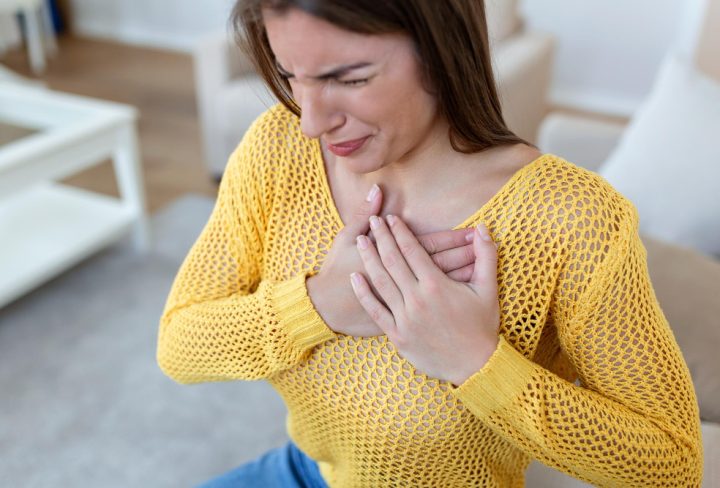
Women and heart disease is a topic that deserves special attention. Many people think heart disease mostly affects men. However, it is the leading cause of death for women worldwide. Understanding the unique risks for women is important. This knowledge can help you spot warning signs early. It also helps you take steps to protect your heart health. In this blog, you will learn about risk factors, symptoms, and ways to prevent heart disease in women.
Overview of Heart Disease in Women
Heart disease includes problems with the heart and blood vessels. For women, the risk is often underestimated. According to the CDC, heart disease causes about 1 in every 5 female deaths in the United States. Yet, many women are not aware of their risk. In fact, women may develop heart disease later in life than men. But, the risk increases after menopause. Therefore, it is important to know how heart disease affects women differently.
Unique Risk Factors for Women
Some risk factors for heart disease are the same for everyone. These include high blood pressure, high cholesterol, and smoking. However, women face some unique risks. For example, certain life stages and conditions can raise a woman’s risk. These include:
Additionally, women who smoke or have diabetes face a higher risk than men with the same habits. Because of these unique factors, women should talk to their doctor about their personal risk.
Common Symptoms in Women
Heart disease symptoms in women can be different from those in men. For instance, women may not always feel chest pain. Instead, they might notice:
Sometimes, these symptoms are mild or come and go. As a result, women may not realize they are having a heart problem. If you notice these signs, seek medical help right away.
Diagnosis and Screening
Early diagnosis can save lives. Doctors use several tests to check for heart disease. These may include:
Because women’s symptoms can be less obvious, it is important to share all your symptoms with your doctor. Even mild or unusual signs should be discussed. This helps your doctor choose the right tests for you.
Prevention and Lifestyle Tips
Preventing heart disease in women starts with healthy habits. You can lower your risk by making small changes. For example:
Additionally, if you have diabetes or other health problems, follow your doctor’s advice closely. These steps can help protect your heart for years to come.
Treatment Options
If you are diagnosed with heart disease, several treatments are available. Your doctor may suggest:
Because each woman is different, your treatment plan will be tailored to your needs. Always follow your doctor’s instructions and ask questions if you are unsure.
When to Seek Medical Help
Sometimes, quick action can save your life. Seek medical help right away if you notice:
Even if you are not sure, it is better to be safe. Early treatment can prevent serious damage to your heart.
Conclusion
In summary, women and heart disease is a serious issue. However, knowing your unique risks and symptoms can help you stay healthy. Take steps to protect your heart every day. Consult a cardiologist for personalized advice on women’s heart health.